

How Does Hard Water Affect the Performance and Lifespan of Your Geyser?
We all know that hard water is your water heater’s enemy. Hard water contains a high level of dissolved minerals like calcium and magnesium that build up in your tank and shorten its lifespan.
The good news is that if you understand how hard water impacts your geyser, you can make a few adjustments and mitigate its damaging effects on it. Read on as we share with you a quick guide that will help you prevent and manage the impact of hard water on your water heater.
The Impact of Hard Water on Your Water Heater
The sad truth is that hard water affects not only the efficiency of your water heater but also its shelf life. Intrigued to know more about the effects of hard water on the performance and the lifespan of your water heater? Here is an in-depth understanding of how hard water creates havoc for your water heater.
- Frequent Repair and Maintenance
The sediment buildup can clog pipes and create other malfunctions. Not only that, the buildup will strain your water heater and compel it to work harder to heat your water and retain the heat. This will accelerate the wear and tear and lead to costly repairs and premature replacement of your water heater.
- Reduces Efficiency
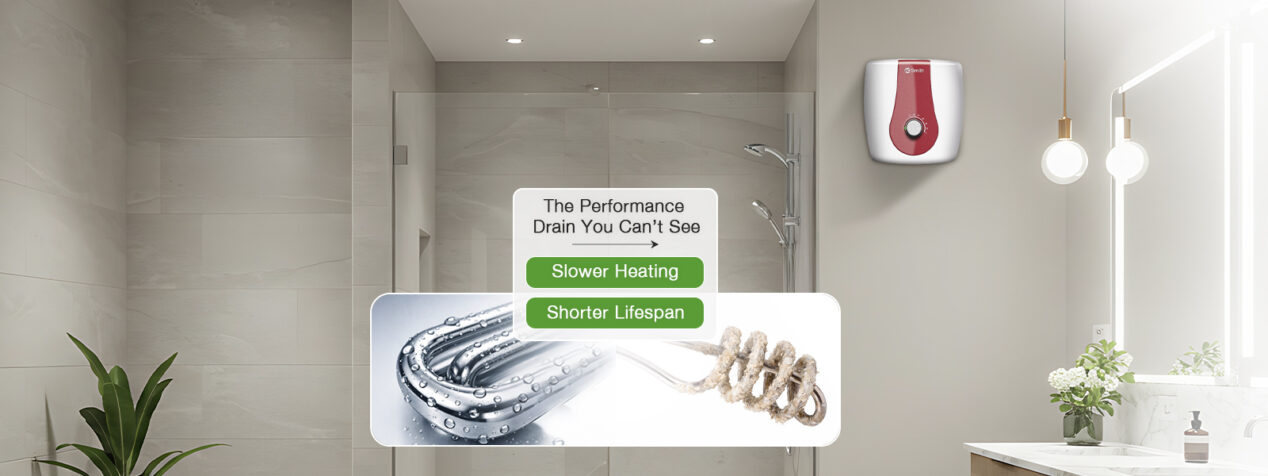
The calcium and the magnesium from the hard water solidify when you heat the water to form a chalky white residue referred to as limescale buildup. This buildup acts as a barrier between the heating element and the water inside your water heater. This means that your water heater will have to work harder and it will take longer for your water to heat up. Hard water, hence, not only reduces the efficiency of your water heater but also shoots up your energy bill.
- Corrosion
Over time, the mineral deposit from the hard water can damage the tank’s lining and cause corrosion. It can also cause sediment buildup and leaks in your water heater.
- Frequent Flushing
Ideally, you are supposed to flush your water heater only once a year. However, if you live in an area where you get hard water, then you will have to flush your water heater more frequently, probably once every 3-4 months. This is because of accelerated sediment buildup that will hamper the functioning of your water heater.
- Shortens the Lifespan of a Water Heater
Hard water forces your electric water heater to overwork to heat the water. Over time, this will have a serious impact on the life span of your water heater. You will not only have to make frequent calls to a plumber to repair your water heater but also get the unit replaced prematurely, all thanks to the hard water supply.
Preventing the Impact of Hard Water on Your Geyser
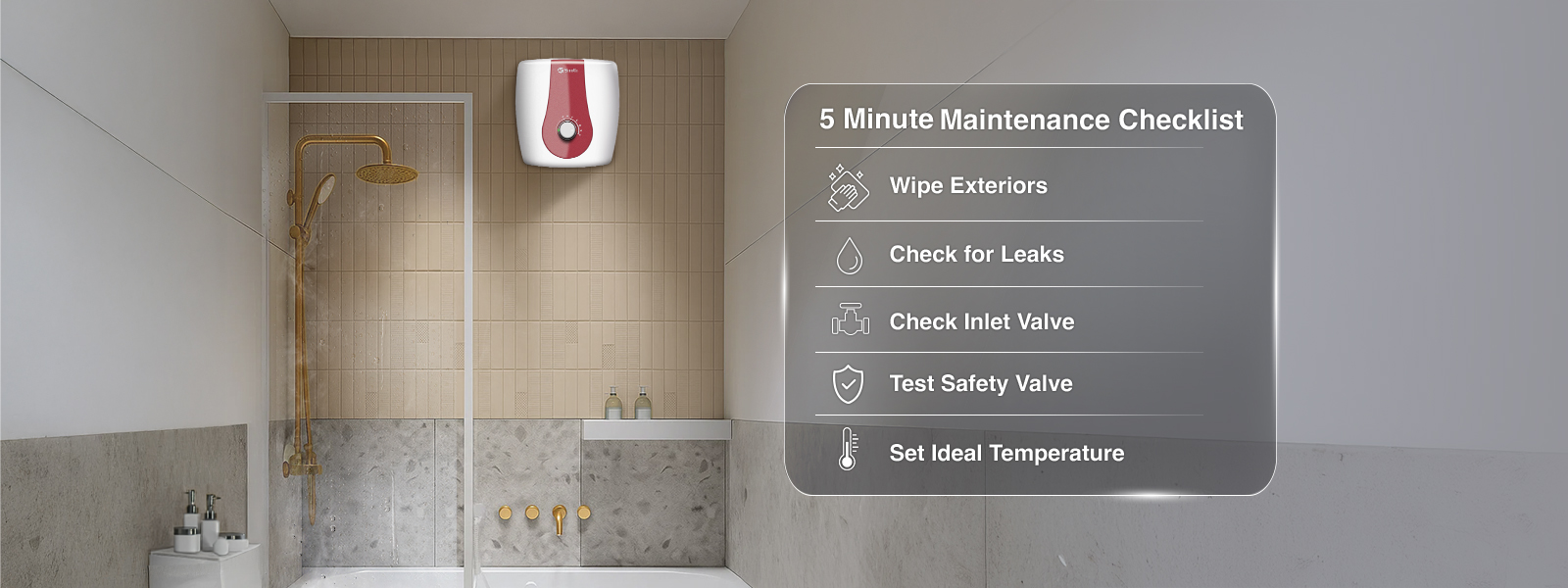
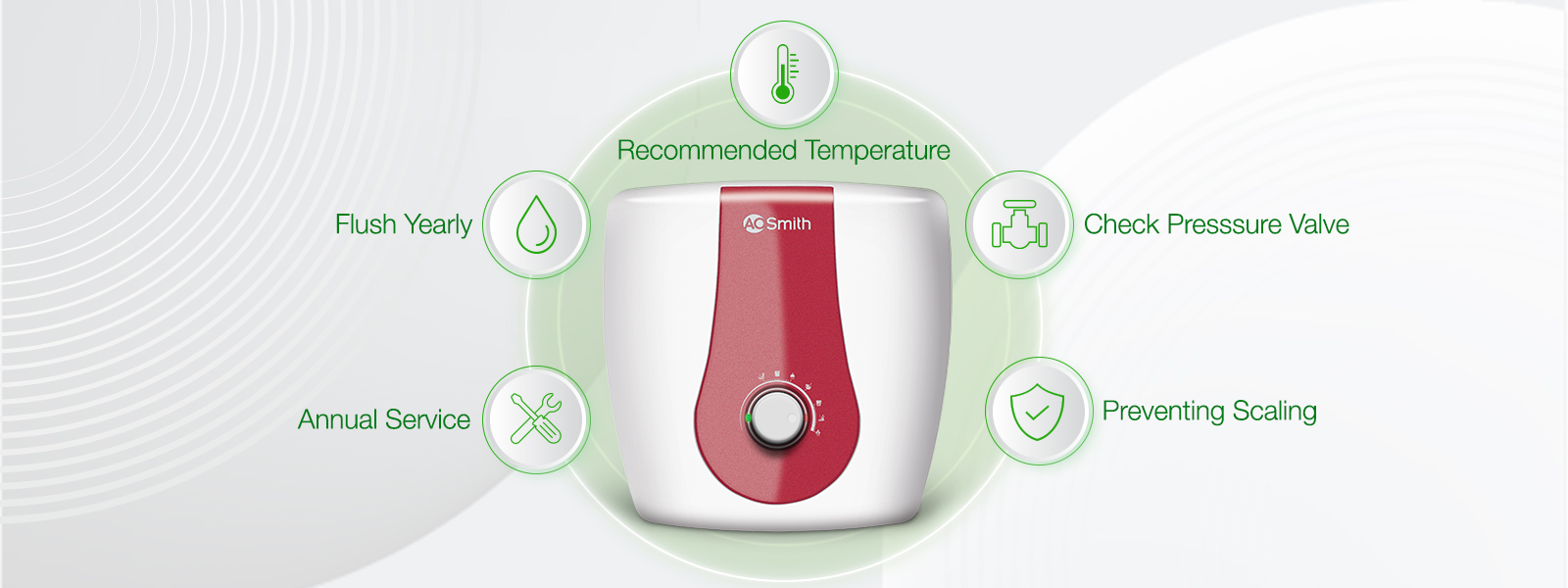
You can prevent the effects of hard water on your water heater and prolong its lifespan with the help of simple tips and hacks. Here are a few handy hacks on how to protect your water heater from hard water:
- Install a Water Softener
A water softener removes the minerals in the hard water and drastically reduces the sediment buildup at the bottom of your water heater that can damage it.
- Invest in a Tankless Water Heater
One of the best ways to tackle hard water is to purchase a tankless water heater that gives you hot water in demand. If there is no tank, then there is no issue of sediment buildup or corrosion.
- Maintain the Anode Rod
The anode rod in the water heater attracts the corrosive elements and protects your tank. Hence, regular inspection of this sacrificial rod is critical to increasing the lifespan of your water heater.
- Regular Flushing
Regularly flushing your water heater to get rid of the sediment buildup is pivotal if you want your water heater to work efficiently and last longer.
- Periodic Professional Inspection
Get a professional to inspect your water supply and water heater. This will help you detect hard water issues early and take necessary steps to prevent damage to your water heater.
The Takeaway
By understanding the impact of hard water on your electric water heater and taking necessary actions like regular maintenance, installing a water softener, etc., you can increase the lifespan of your water heater.
If you are planning to purchase a new electric water heater for your home, we recommend that you choose AO Smith water heaters. We offer an impressive range of water heaters that are designed to tackle hard water effects. Our water heaters come with Blue Diamond® Glass Lining that gives unmatched protection to your tank against corrosion. They also have
CoreGuard™ Anode Rod that provides longer-lasting protection against tank corrosion compared to your regular anode rods.
So, when are you investing in an AO Smith water heater and upgrading your bathing experience?
 Find the right product for you
